



 Popular Categories
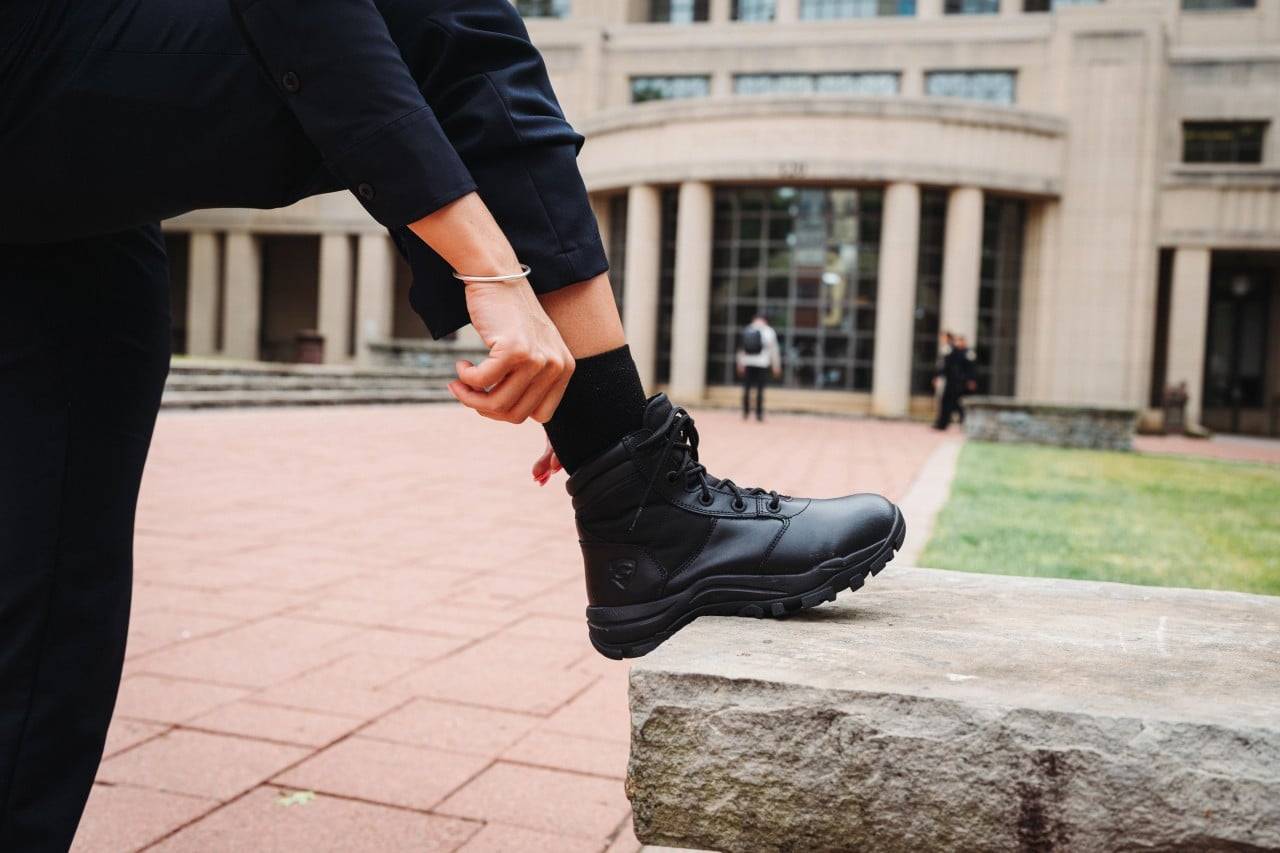
Duty Boot Comfort and Fit Guide: Moisture Management, Support, and Sizing

Duty boots are not a one-size-fits-all purchase. An officer walking a foot beat on concrete for twelve hours needs something very different from a deputy spending a summer shift in heat, or a security professional who has to find a comfortable wide fit. Choosing the right boot comes down to several key factors including: comfort, functionality and fit.
This guide covers each of those factors, explains how to measure and evaluate fit, and highlights available duty boots in our catalog that fit each use case.
Why Comfort Matters More Than Most Buyers Expect
Comfort in a duty boot is more than a pleasant feeling. Foot fatigue affects posture, balance, and reaction time. Blisters and hot spots can pull attention away from the job. Over months of wear, a boot that fits poorly can contribute to knee, hip, and lower back strain, because the body compensates for pain and instability.
Boots that feel fine in the store sometimes fail after a full shift. Feet swell during the day, often by a noticeable amount, and they also sweat. A boot needs enough volume to handle that swelling, enough airflow to manage moisture, and enough structure to keep the foot stable on uneven or hard ground.
Keeping Feet Dry Through a Long Shift
Duty boots that help regulate foot temperature and manage moisture can improve comfort during long shifts, especially in hot weather or high-activity environments. Moisture management largely depends on three key features: upper materials, tongue construction, and interior linings. Mesh and nylon panels promote airflow, while ventilated tongues allow heat to escape. Moisture-wicking linings help draw sweat away from the skin to keep feet drier and more comfortable throughout the day.
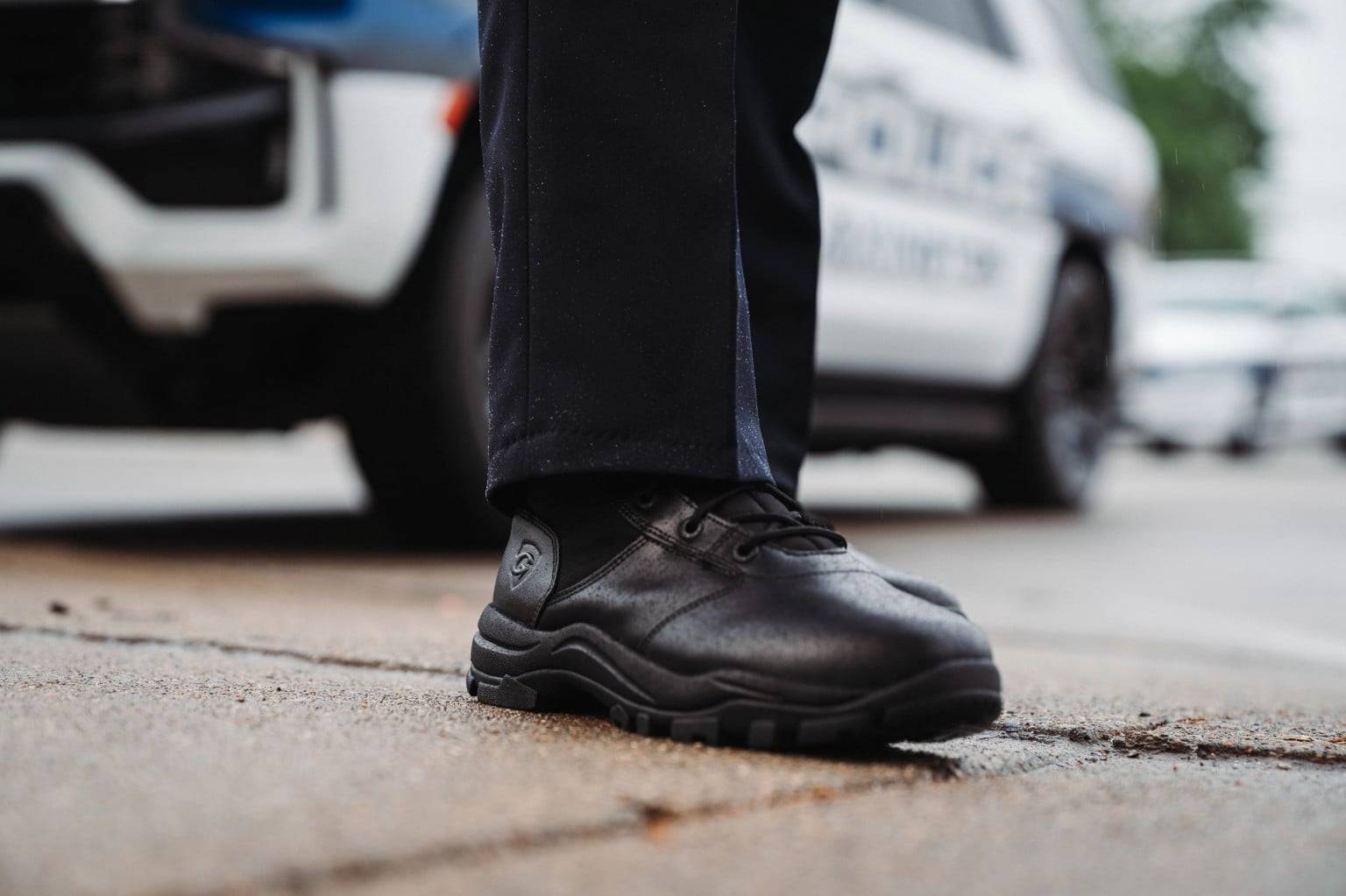
However, increased airflow often comes at the expense of water resistance, durability, and protection from dust and debris. To balance these needs, many duty boots feature hybrid uppers that combine durable leather or synthetic materials with strategically placed mesh panels.
For officers working in warm climates or physically demanding conditions, the following duty boots are worth considering:
5.11 Tactical 6" Side Zip Boots 2.0
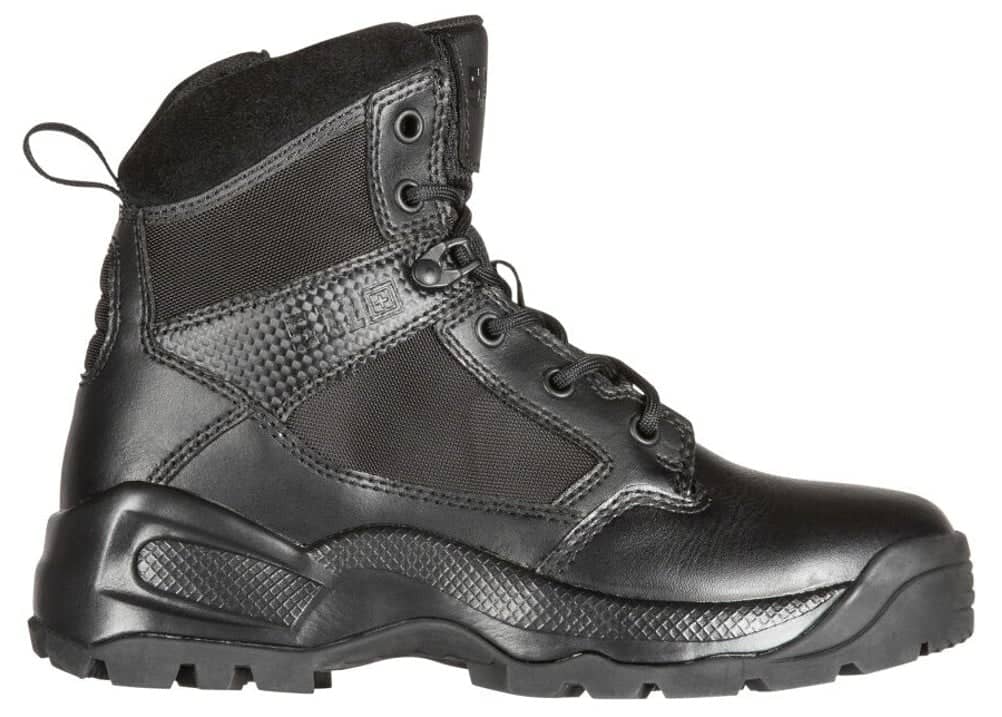
This boot is one of the better choices in a 6" height tactical boot. The 5.11 A.T.A.C. 2.0 line uses an airflow tongue, a moisture-wicking textile lining, and a Strobel construction intended to improve fit and flexibility. The upper combines nylon with a full-grain leather toe, and the footbed is an Ortholite insole designed to keep the foot cool and dry. The side zipper makes it quick to get on and off, which helps when you need to change boots between shifts.
Reebok Men’s 6" Fuel Flex Tactical Boots
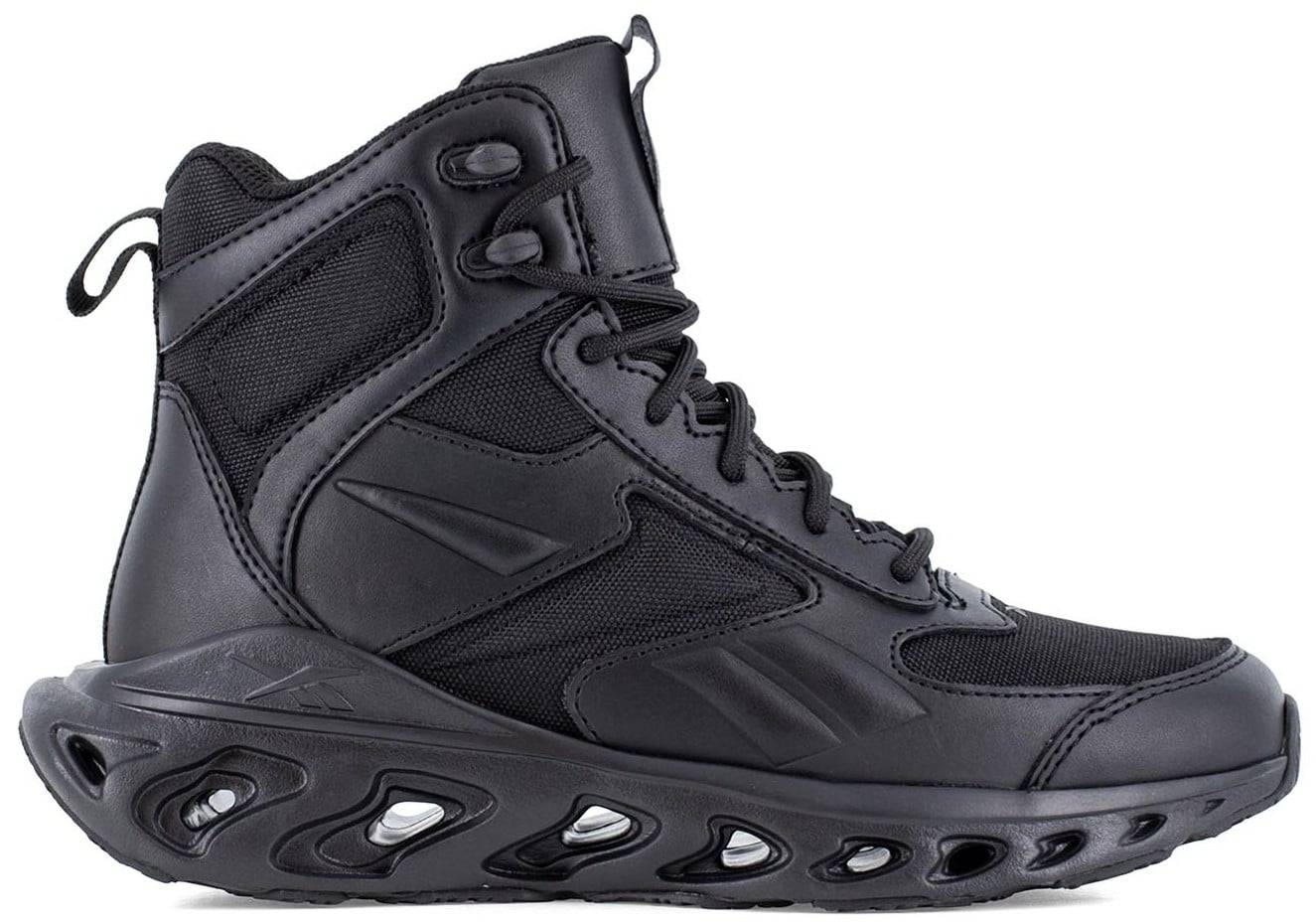
The Fuel Flex line is built for comfort during extended wear. It suits officers who spend long hours on their feet and want a lighter boot with a flexible feel. Check the upper materials to confirm the mesh and ventilation details before you buy.
Salomon XA Forces Mid GTX Quarterboot

The XA Forces design comes from Salomon’s trail footwear heritage. Its GORE-TEX waterproof-breathable membrane is designed to keep water out while letting vapor escape. That combination is useful for officers who face rain, wet pavement, or mixed conditions during a shift. The quarterboot profile is lower than a standard tactical boot, which can make it feel more like an athletic shoe while still giving ankle support.
Merrell Men’s Moab 3 8" Waterproof Side-Zip Boots
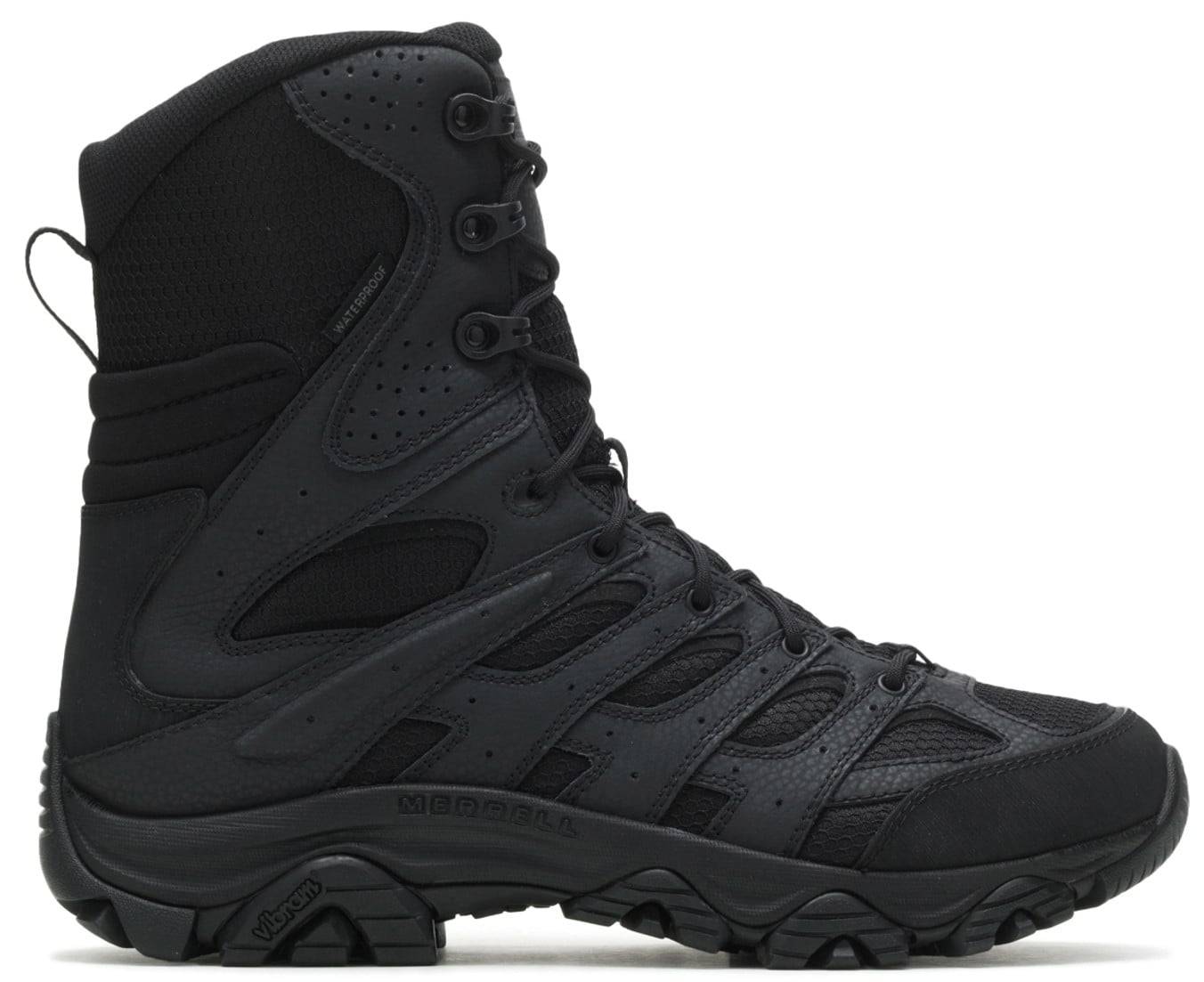
The Moab line is well known for comfort and a flexible feel. The 8-inch waterproof side-zip version offers more coverage than a low-profile boot while keeping the cushioned comfort that Moab wearers tend to value. It is a practical choice for officers who want a taller boot without giving up all-day comfort.
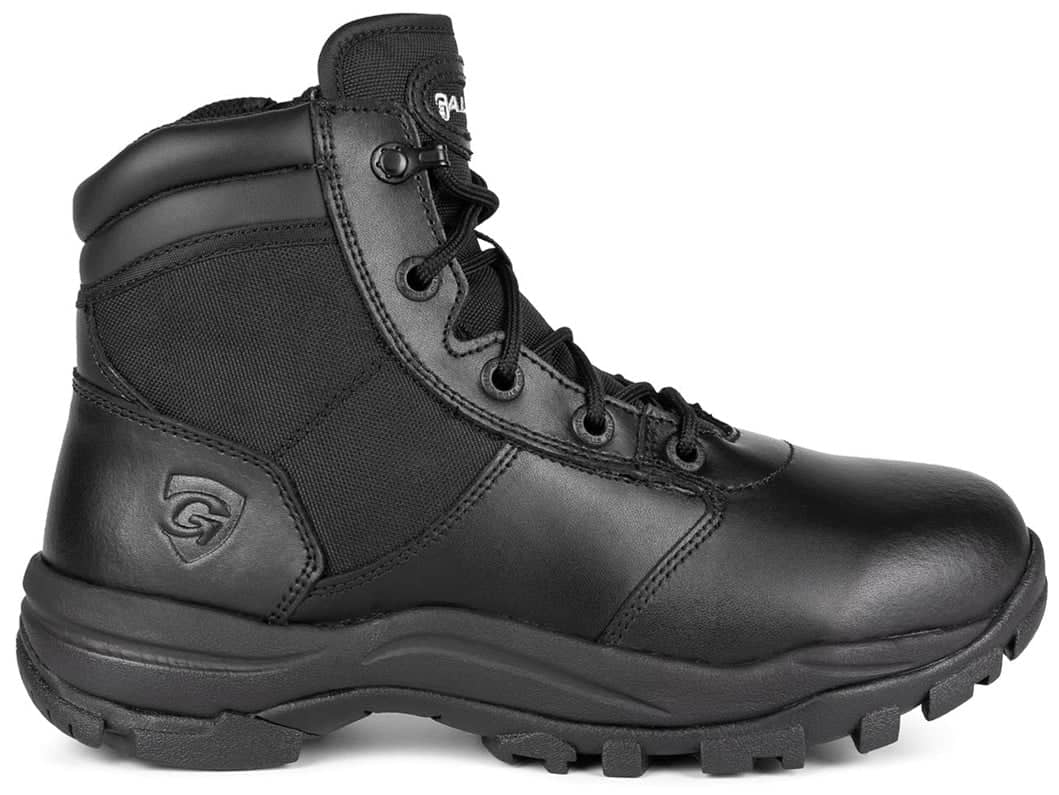
This is Galls’ own budget-friendly side-zip boot. Its 900D nylon upper is built to allow airflow during long shifts, and it pairs that with full-grain leather, a gusseted tongue to keep out dirt and debris, and an Ortholite insert for cushioning. The side zipper makes it quick to get on and off.
How to test breathability in person: Wear the boots with the socks you normally wear on duty. Walk for at least ten minutes on a hard floor, then check for heat buildup at the toes and along the top of the foot. If your feet feel damp after a few minutes, the boot may not handle your sweat rate well, and you may want a more ventilated option or a moisture-wicking sock.
Hard Surfaces: Protecting Your Feet on Concrete, Pavement, and Ice
Hard surfaces are the most demanding environment for most duty boots. Concrete, asphalt, tile, and stairs transmit force up through the heel and forefoot with every step. Over a full shift, that repeated impact can cause fatigue in the arches, heels, and shins if the boot does not absorb shock well.
Three things matter most on hard surfaces. The first is the midsole, which should cushion impact without collapsing too much under load. The second is the outsole, which needs enough grip for wet or oily floors and enough durability to handle abrasion. The third is the toe and heel structure, which controls how the foot rolls through each step. Boots with a rigid heel counter and a stable platform tend to feel more secure, but they can also feel stiff if they are not broken in well.
Winter brings added challenges, as cold temperatures, ice, and packed snow increase slip hazards. Rubber outsoles can stiffen in freezing conditions, reducing traction and cushioning. Look for cold-weather boots with deep, well-spaced tread lugs for better grip on snow and slush. Prioritize insulation without sacrificing flexibility or mobility, and allow enough room for wool or moisture-wicking socks. Waterproof membranes or treated uppers also help keep feet dry and warm throughout long winter shifts.
These popular boots are well-suited for working on hard surfaces:
5.11 Tactical 8" A.T.A.C. Side Zip Boots 2.0

The 8-inch version of the A.T.A.C. 2.0 gives more ankle coverage and support, which helps on stairs, curbs, and uneven pavement. The Ortholite footbed and shock-absorbing construction are designed for long periods of standing and walking. Its slip- and oil-resistant outsole is useful in parking garages, kitchens, and other areas where floors can be slick.
Original S.W.A.T. ProTec 6" Side Zip Polishable Toe Boots
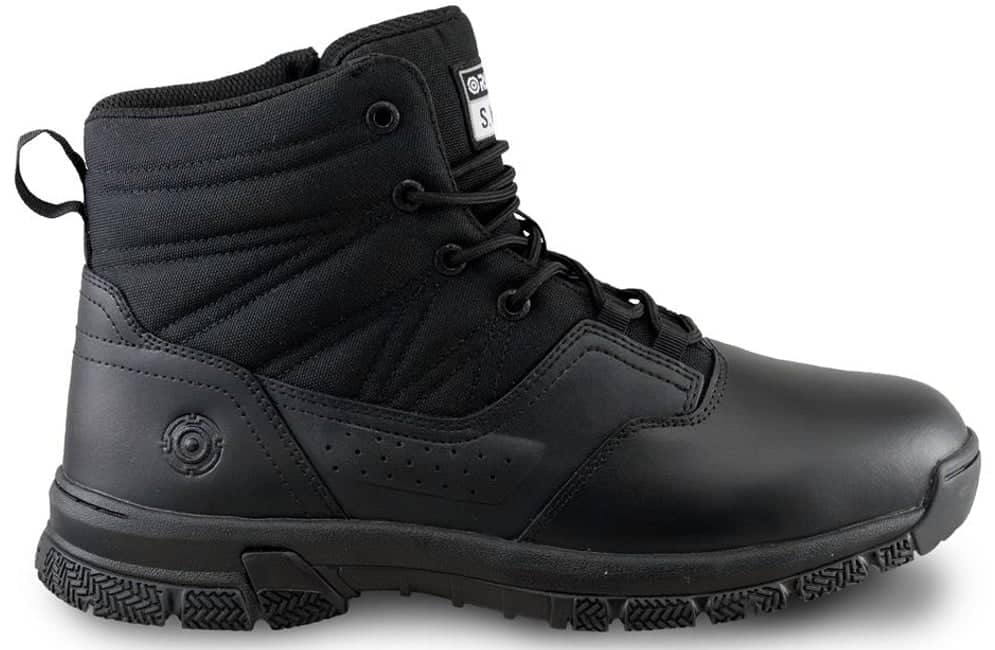
Polishable toes appeal to officers who must meet a uniform standard, and the ProTec line is built around a durable, professional look. Because the toe can be polished, it keeps a formal appearance in roll call and ceremonial settings. The side zipper also makes it easy to get in and out of the boot quickly on busy days.
Salomon X Ultra Forces Mid GTX Boots
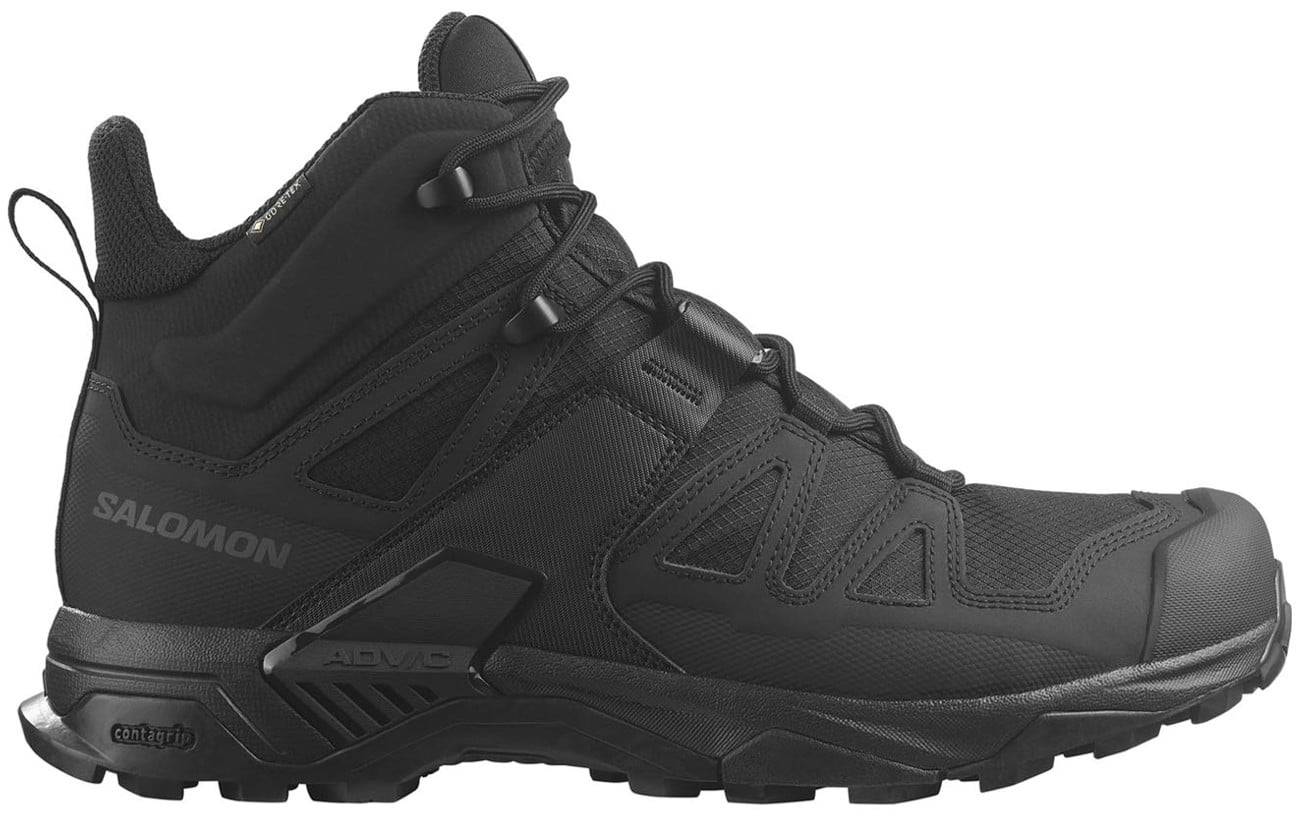
The X Ultra Forces is a mid-height boot with a rugged outsole and a waterproof-breathable GORE-TEX membrane. Its traction-oriented design suits officers who move across wet concrete, gravel, and uneven terrain during the same shift. The mid-height cut offers more support than a low boot, while the lace-up system lets you adjust fit across the foot.
Hard-surface fit tip: Test boots on the type of floor you work on most. A boot that feels springy on carpet can feel harsh on concrete, and a firm boot can feel fine in a store but tire your feet by hour six. If possible, wear the boots during a half-shift trial before committing to a full-price purchase.
Proper Fit and Sizing: Finding the Right Tactical Boot
Proper fit is essential for tactical boot comfort, support, and performance during long shifts. Boots that are too tight can cause pressure points, numbness, and blisters, while oversized boots may lead to heel slippage and instability. Finding the right combination of length, width, and overall fit helps reduce foot fatigue and improve mobility.
Before purchasing, measure both feet while standing, preferably in the afternoon when feet tend to swell. Check both length and width against the manufacturer's sizing chart, as fit can vary between brands and styles.
When trying on boots, allow approximately a thumb's width of space between your longest toe and the front of the boot. Your heel should remain secure without slipping, and the widest part of your foot should fit comfortably without pinching. If a boot feels tight across the sides but fits properly in length, consider a wider option rather than sizing up.
The following duty boots offer a range of sizing and fit options to accommodate different foot shapes and preferences:
Under Armour Men’s Charged Valsetz 8" Tactical Boots
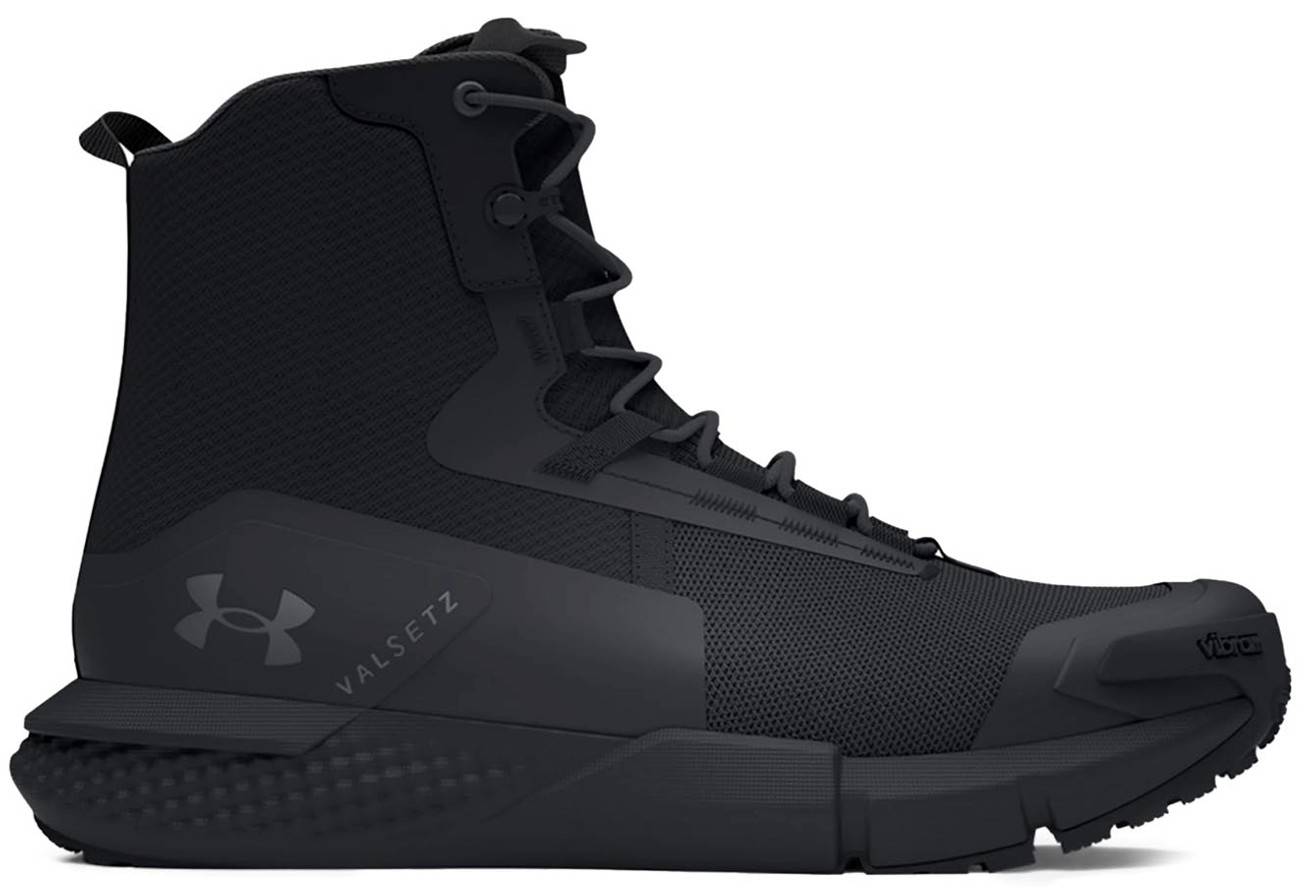
The Charged Valsetz is designed with athletic-inspired cushioning and a comfortable fit. Its 8-inch height gives extra support around the ankle. Check the size guide for width availability before ordering, since widths can vary by size and colorway.
Thorogood 8" Side Zip Waterproof Composite Toe Boot
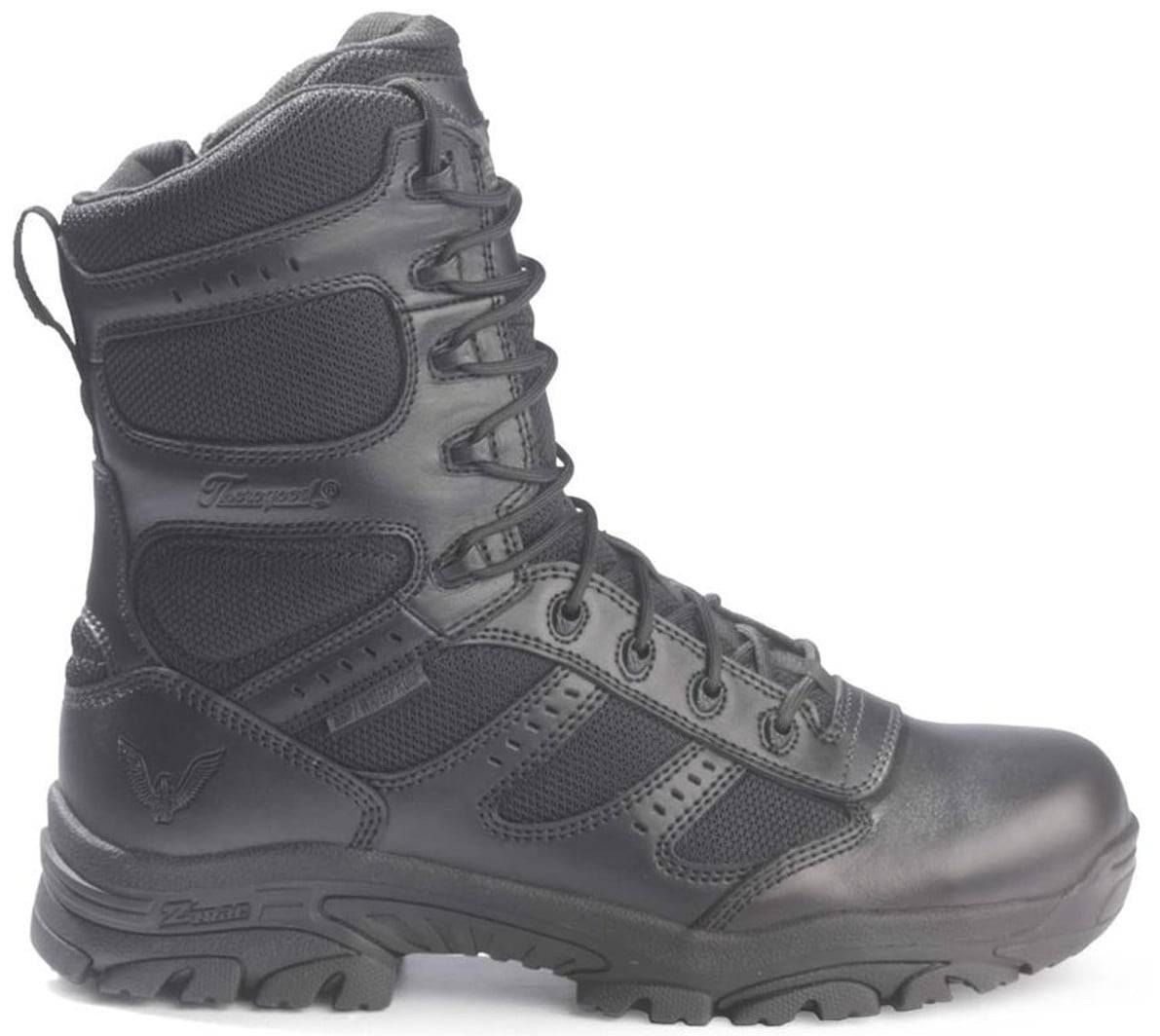
Thorogood is a long-established name in work and duty footwear. This 8-inch waterproof boot pairs a composite toe with side-zip access. The composite toe offers protection without adding as much weight as steel, which matters for wide-fit wearers who already carry extra volume through the forefoot.
Danner Acadia 8" Waterproof Duty Boot
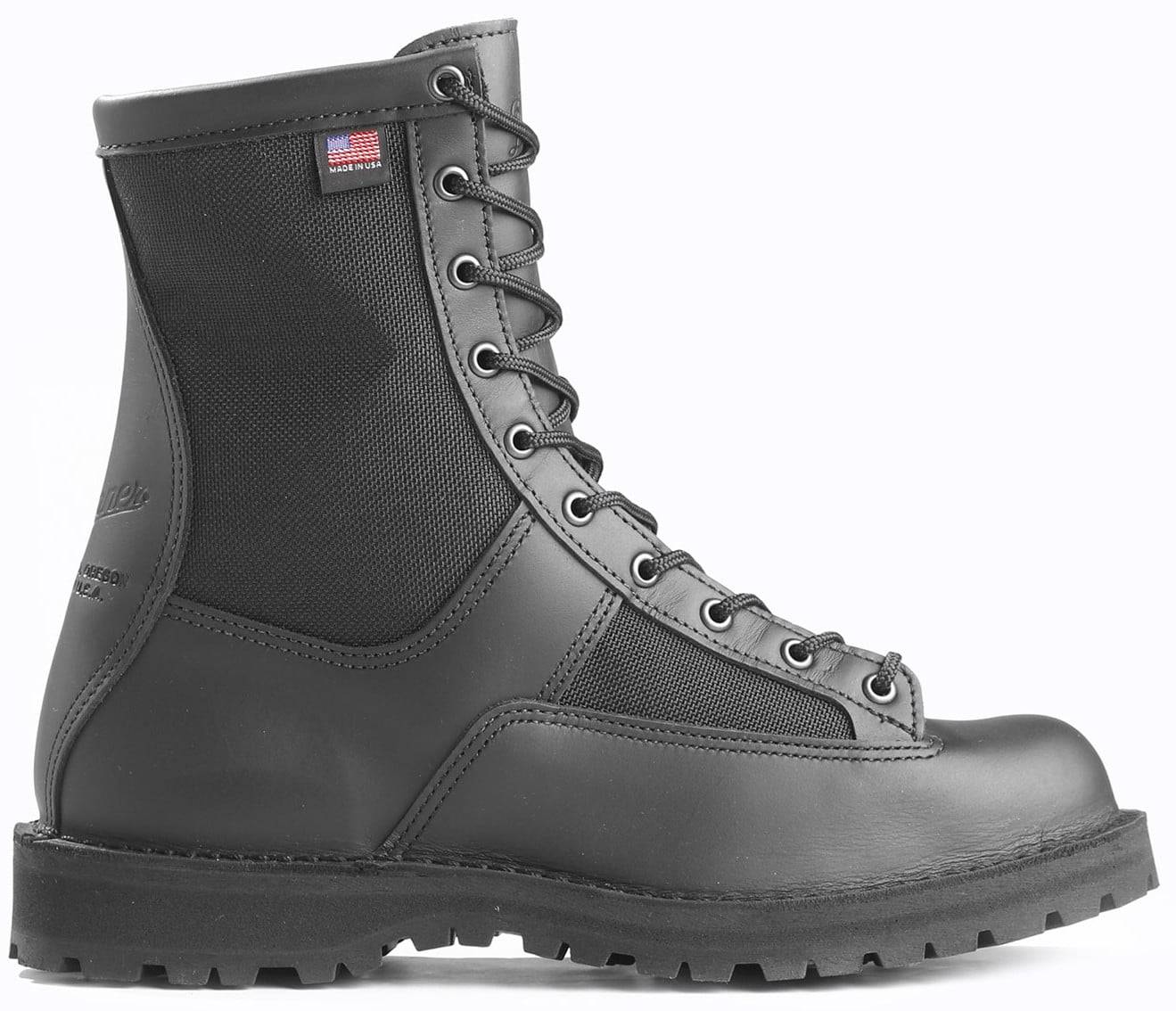
Danner’s reputation rests on a comfortable, durable last and high-quality construction. The Acadia is a waterproof duty boot suited to officers who work through wet and cold conditions. Its roomy construction is a good fit for officers who need additional width.
5.11 Tactical A/T BOA Lite Mid Boots
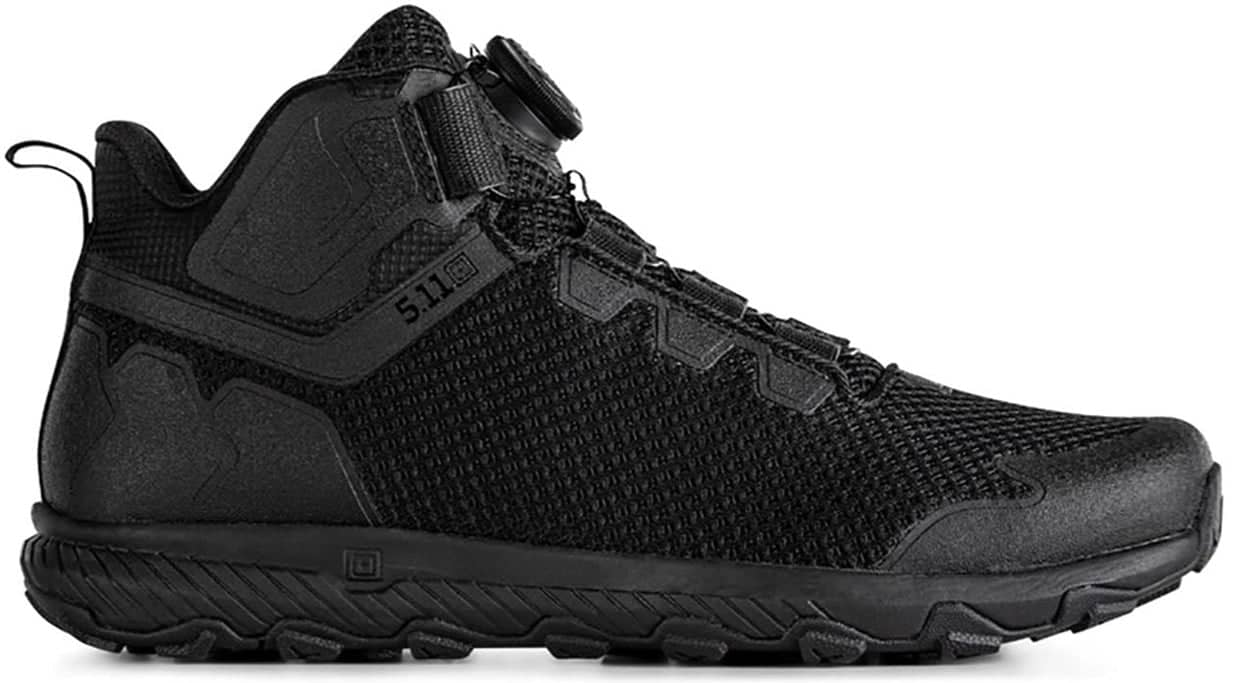
The BOA dial closure allows you to tighten or loosen the boot in small increments throughout the day. That is useful for wide feet because you can relieve pressure at the forefoot or add support at the midfoot without relacing. The mid-height design is lighter than a full tactical boot while still offering ankle support.
Wide-fit reminder: A wide boot is only comfortable if the length is also right. If you are between sizes, try the boot with your duty socks and check for heel slip, toe pressure, and side pinching. Adjustable closures like laces or BOA dials can help, but they cannot fix a boot that is simply the wrong shape for your foot.
How to Match a Boot to Your Duty Assignment
No single boot is ideal for every assignment. Ask yourself a few questions before choosing:
- How many hours will you be on your feet, and how much of that time is walking on hard surfaces versus driving or sitting?
- Do you work in hot, humid, cold, or wet conditions?
- Do you need a polishable toe for your agency’s standards, or is a matte finish acceptable?
- Do your feet swell significantly during the day, or do you need a wider fit from the start?
- Do you need quick on-and-off access, such as a side zipper, for frequent gear changes?

If your shifts are long and hot, prioritize support and ventilation. If you walk on concrete for most of your day, focus on midsole cushioning and outsole traction. If your feet are broad or swell, start with a wide-fit boot and adjust the closure to fit.
Fit Checklist Before You Buy
Use this checklist when you try on a boot in store or after delivery:
- Measure your feet late in the day, when they are most swollen.
- Wear the socks you actually use on duty.
- Leave about a thumb’s width of room at the toe.
- Confirm your heel does not slip when you walk, climb stairs, or step down.
- Check for pressure points at the ball of the foot, the sides, and the top of the instep.
- Walk on hard flooring for at least ten minutes.
- Check the manufacturer’s size chart for width availability.
- Know the return or exchange policy in case the fit changes after a few shifts.
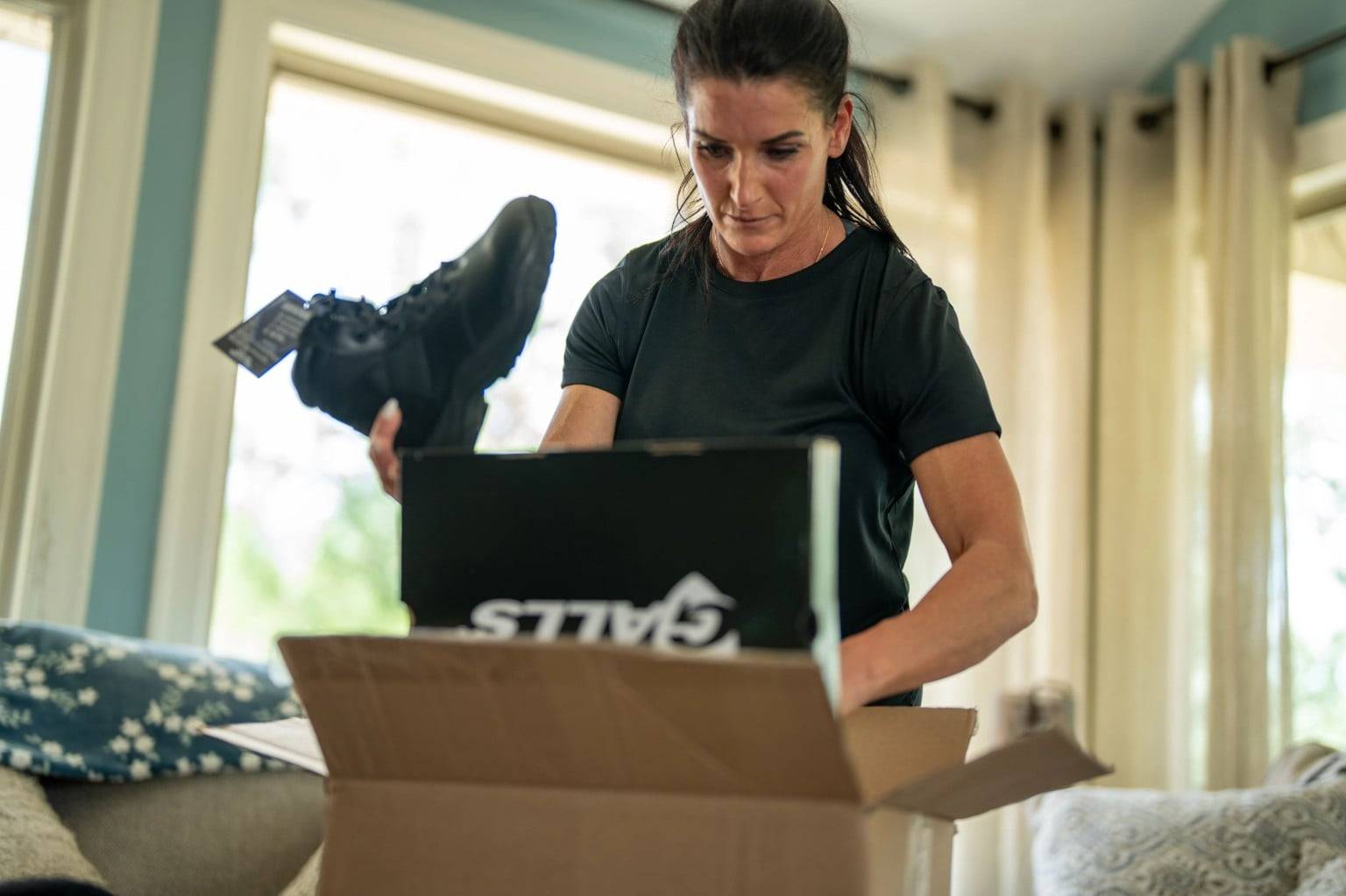
Taking these steps can prevent most common comfort problems. A boot that fits well in your first hour should still feel good in your eighth.
Key Takeaways
Finding comfortable duty boots starts with choosing the right fit and features for your environment. For breathability, look for mesh or nylon ventilation and moisture-wicking linings. For hard surfaces, prioritize cushioning, traction, and ankle support. For proper sizing, measure your feet later in the day, check available widths, and avoid sizing up to compensate for a narrow fit.
The boots featured in this guide address these key needs. For more recommendations, explore our staff picks for the best tactical boots.
FAQs for Choosing Duty Boots
Are waterproof duty boots less breathable?
Waterproof tactical boots with protective membranes may offer less breathability than unlined options. However, membranes like GORE-TEX allow moisture vapor to escape while blocking external water, helping balance protection, breathability, and comfort in wet conditions.
What should I look for in boots for hard surfaces?
Look for effective midsole cushioning, a slip-resistant outsole, and a stable heel counter. Ankle support is helpful on stairs and uneven ground, and a well-fitted insole can reduce fatigue over long shifts.
How do I know if I need wide-width boots?
If your foot feels pinched across the ball or sides, if you develop numbness or recurring blisters in the forefoot, or if standard-width boots consistently feel tight after a few hours, a wide width is worth considering. Measure both feet and compare them to the brand’s width chart.
Do side-zip boots fit as securely as lace-up boots?
Side-zip boots offer faster on-and-off access, but they rely on the lacing and collar for support. Look for a boot with a secure lace system or an ankle-support design that keeps the foot stable.
Related Posts


Disclaimer: The information in this blog post is for general informational purposes only and should not be taken as legal, regulatory, safety, or professional advice. Galls, LLC and its affiliates (collectively, the “Company”) distribute public safety and law enforcement products but do not manufacture the items discussed. All product details are based on manufacturer-provided information and have not been independently verified by Galls. We make no warranties regarding the accuracy or completeness of such information. Readers should consult the respective manufacturer or regulatory authority for the latest details.
For more detailed information, visit our Disclaimer Page.
 Item Added to Cart!

